
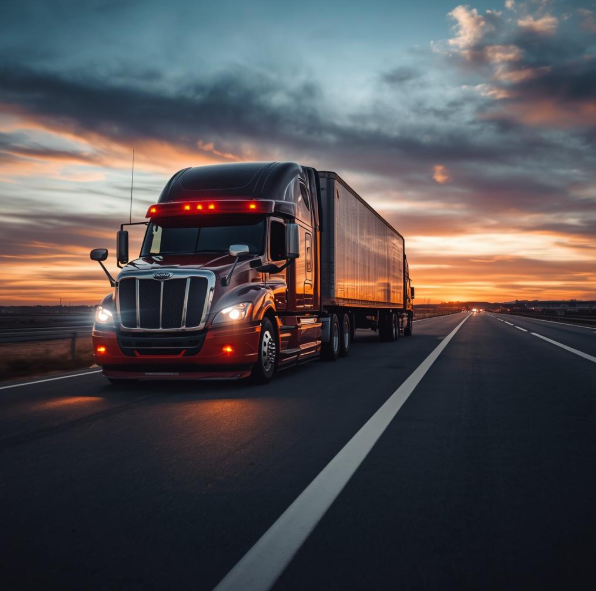
Commercial truck drivers must ensure their tow operators comply with Federal Motor Carrier Safety Administration (FMCSA) rules, weight restrictions, and hazardous materials protocols. Choosing a fully compliant, licensed towing provider protects your cargo and keeps you safe from severe fines or out-of-service orders during a vehicle breakdown.
The unexpected breakdown is every truck driver’s worst fear. You are cruising down the highway on a tight schedule when your engine suddenly fails. Now you are stuck on the shoulder, and you need a tow. Getting your rig off the road safely is only half the battle.
Commercial drivers are subject to strict Department of Transportation (DOT) regulations. These rules do not vanish just because your vehicle is disabled. Compliance remains a top priority even while your truck is hooked to a wrecker. Failing to meet these standards can result in substantial penalties or out-of-service orders.
This guide covers the essential regulations you need to understand before calling for a rescue. We will explore key Federal Motor Carrier Safety Administration mandates, weight limits, and hazardous materials protocols. You will also learn how partnering with Action Towing ensures you stay compliant and get back on the road safely.
Why do DOT regulations matter for commercial vehicle towing?
The Department of Transportation oversees the safety of our nation’s roadways. Their regulations apply to any commercial motor vehicle involved in interstate commerce. This includes semi-trucks, buses, and the heavy-duty wreckers that tow them.
Compliance is crucial for several reasons:
- Safety: Strict rules prevent accidents caused by improper towing connections or unmarked towed vehicles.
- Fines: Non-compliance can lead to massive fines for both the driver and the motor carrier.
- Out of Service Orders: A severe violation can ground your truck completely. This causes delayed shipments and lost revenue.
What are the key DOT regulations for towing commercial vehicles?
When a commercial vehicle breaks down, the recovery process must follow specific federal guidelines. Here is what you need to know about the most critical rules.
How do FMCSA regulations affect towed vehicles?
The Federal Motor Carrier Safety Administration sets the standard for commercial vehicle operation. Several parts of their rulebook directly impact the towing process.
Under Part 393, the DOT outlines the parts and accessories necessary for safe operation. This section dictates the strength and securement of towing devices. It also requires the towed vehicle to have functioning tail lamps, stop lamps, and turn signals. If your cargo is still loaded, it must remain properly secured according to federal tie-down standards.
Part 396 covers inspection, repair, and maintenance. Even when your truck is being towed, pre-trip and post-trip inspections are mandatory. The driver must verify that the tow connection is secure and safe for transit.
Finally, Part 392 discusses the driving of commercial motor vehicles. The tow operator must follow all general driving rules. If the tow truck itself qualifies as a commercial vehicle, the operator must adhere to strict hours of service restrictions.
What are the federal and state weight restrictions?
Towing a loaded semi-truck creates a massive combination vehicle. This combination must still respect weight and size limits to protect highway infrastructure.
Key metrics include the Gross Vehicle Weight Rating and the Gross Combination Weight Rating. Axle weight limits also apply to the tow truck and the disabled vehicle. Furthermore, the overall length and width of the towed combination cannot exceed state maximums without special permission. If the combined weight or size is too large, the tow operator must secure an overweight or oversized permit before moving the truck.
How do hazardous materials regulations impact towing?
Carrying hazardous materials (HAZMAT) adds another layer of complexity to a breakdown. Title 49 CFR Parts 100 through 185 dictate how these materials must be handled during a tow.
If your disabled truck holds HAZMAT, the tow operator must follow specific emergency response protocols. Proper placarding must remain visible on both the tow truck and your disabled trailer. Additionally, the tow operator must possess the correct certifications and documentation to legally transport the hazardous cargo to a safe location.
What insurance requirements apply to heavy-duty towing?
A standard auto policy is not enough for commercial vehicle recovery. Tow operators handling commercial trucks must carry minimum liability insurance as mandated by the DOT. Cargo insurance is equally important. It protects the value of the goods sitting inside your disabled trailer during transport.
How do you choose a DOT-compliant towing service?
Not every local wrecker has the legal authority or the physical capability to move a fully loaded semi-truck. You must select a provider that understands commercial transport laws.
What are the responsibilities of a commercial towing company?
A reputable towing company takes DOT compliance very seriously. They must hold the proper licensing and certifications to operate heavy-duty wreckers. Their drivers need specialized training to handle massive loads safely. They must also invest in appropriate equipment, such as 50-ton rotators and heavy-duty underlifts.
What questions should you ask your towing provider?
Before allowing anyone to hook up to your rig, ask a few verifying questions:
- Are you DOT compliant for heavy-duty commercial towing?
- Do you carry adequate liability and cargo insurance?
- What are your specific procedures for securing a disabled commercial truck?
- Are your operators certified to handle HAZMAT situations?
Why is Action Towing your trusted partner in Florida?
When you face a breakdown near the Florida panhandle, you need a team with proven expertise. Selecting the right towing company pensacola fl involves checking their heavy-duty credentials and response times. Action Towing stands out with over a century of combined experience.
Waiting for a tow truck in Pensacola can be stressful, but working with true professionals brings peace of mind. They specialize in heavy-duty towing pensacola fl to keep your fleet moving safely. They adhere strictly to all federal and state DOT regulations, ensuring your load remains fully compliant from the shoulder to the repair shop.
You also want a provider that offers quick response towing to minimize downtime. With 24/7 availability and advanced equipment, they are always ready for emergencies. When you need dependable towing pensacola fl, they have the knowledge and the fleet to handle any commercial recovery.
What should you do when your commercial truck breaks down?
Safety always comes first during a breakdown. Use this quick checklist to protect yourself and your equipment while waiting for help.
- Move safely off the road: Coast onto the shoulder or a designated pull-off area as safely as possible.
- Activate hazard lights: Turn on your four-way flashers immediately to warn other drivers.
- Deploy warning devices: Place your reflective triangles or flares at the DOT-mandated distances behind your trailer.
- Assess the situation: Determine if you have a mechanical failure, a tire blowout, or a load shift.
- Call dispatch: Notify your fleet manager about the breakdown and your exact location.
- Contact a compliant towing service: Reach out to a certified heavy-duty recovery team.
Stay Safe and Compliant on the Road
A commercial vehicle breakdown is frustrating, but ignoring DOT regulations during a tow will only make the situation worse. By understanding FMCSA rules, weight restrictions, and safety protocols, you can protect your license and your livelihood. Always verify that your chosen recovery team possesses the right equipment and certifications to handle your specific needs.
If you ever find yourself stranded in the Florida region, do not leave your compliance to chance. Contact the experts who understand the intricacies of commercial recovery.
Visit our site to learn more and request immediate assistance today.